Entrepreneurs exploring fitness franchise opportunities often hit the same crossroads and have to ask themselves: do I invest in a massive traditional gym, a trendy boutique group training concept or a private personal training studio? The answer increasingly depends on one key factor, return on investment (ROI). While large gyms and high-volume boutique studios once dominated the market, many investors are now looking at more efficient models, such as one-on-one personal training studios. Concepts like SlowBurn Personal Training Studios are flipping the script by focusing on safety, efficiency, and real results rather than a relentless churn of high-volume memberships. Understanding how these models compare financially can help prospective franchise owners choose the right opportunity.
The Economics of Traditional Gyms
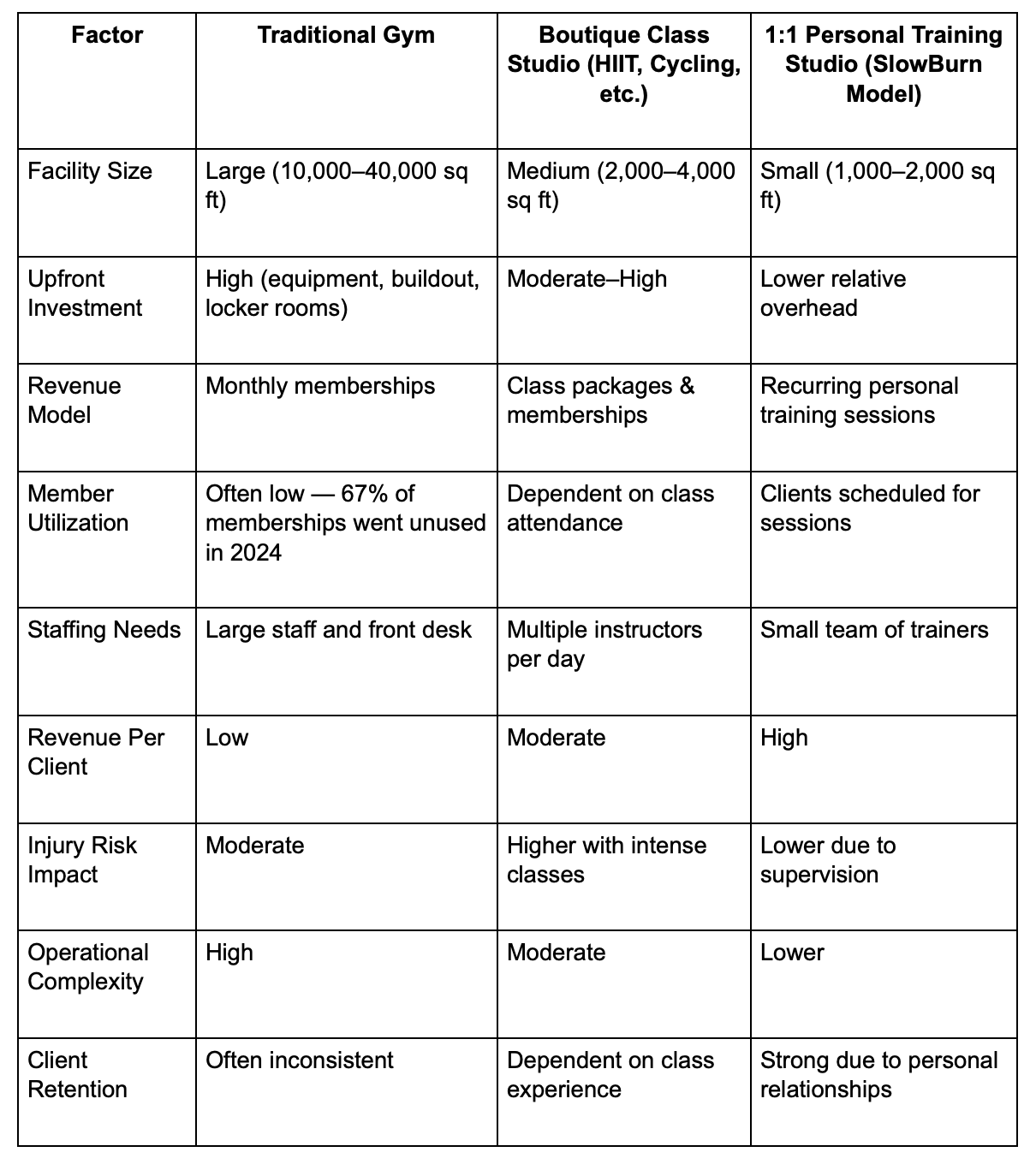
Traditional gyms run on a volume game. They require massive upfront capital for real estate, buildouts, and endless rows of equipment Because these gyms depend on monthly memberships, their business model is built around scale rather than individual client engagement. One challenge with this structure is member utilization. Research shows that approximately 67% of gym memberships went unused in 2024 (source), highlighting how these facilities are forced to sell more memberships than their physical space can actually handle. While this works for the industry giants, for an independent franchise owner, it means unpredictable revenue, high overhead, and constant stress.
Boutique Studios and the Burnout Factor
Boutique studios–think cycling, HIIT, and group strength classes–sprang up as the antidote to impersonal mega-gyms. But the market has quickly become saturated. In 2024, nearly 58% of boutique fitness studios reported significant business challenges (source), largely due to competition and fluctuating member attendance.
The issue? They rely on packed rooms and aggressive, constant marketing. If class attendance dips, revenue plummets. Furthermore, high-intensity formats (like CrossFit-style workouts) come with a built-in retention killer… injuries.
The 1:1 Personal Training Studio Model
One-on-one personal training studios operate under a different economic structure. Instead of depending on hundreds or thousands of members, these studios focus on a smaller number of clients receiving personalized training sessions. This model can create a more predictable revenue stream because clients typically commit to structured programs rather than casual gym memberships. From a cost perspective, personal training studios generally require smaller footprints than full gyms, meaning lower rent, fewer machines, and less overhead. Staffing models are also leaner, as sessions are scheduled rather than dependent on constant floor supervision. The result is a business model centered on premium service and measurable outcomes rather than mass participation.
Why Efficiency Matters in Fitness Franchising
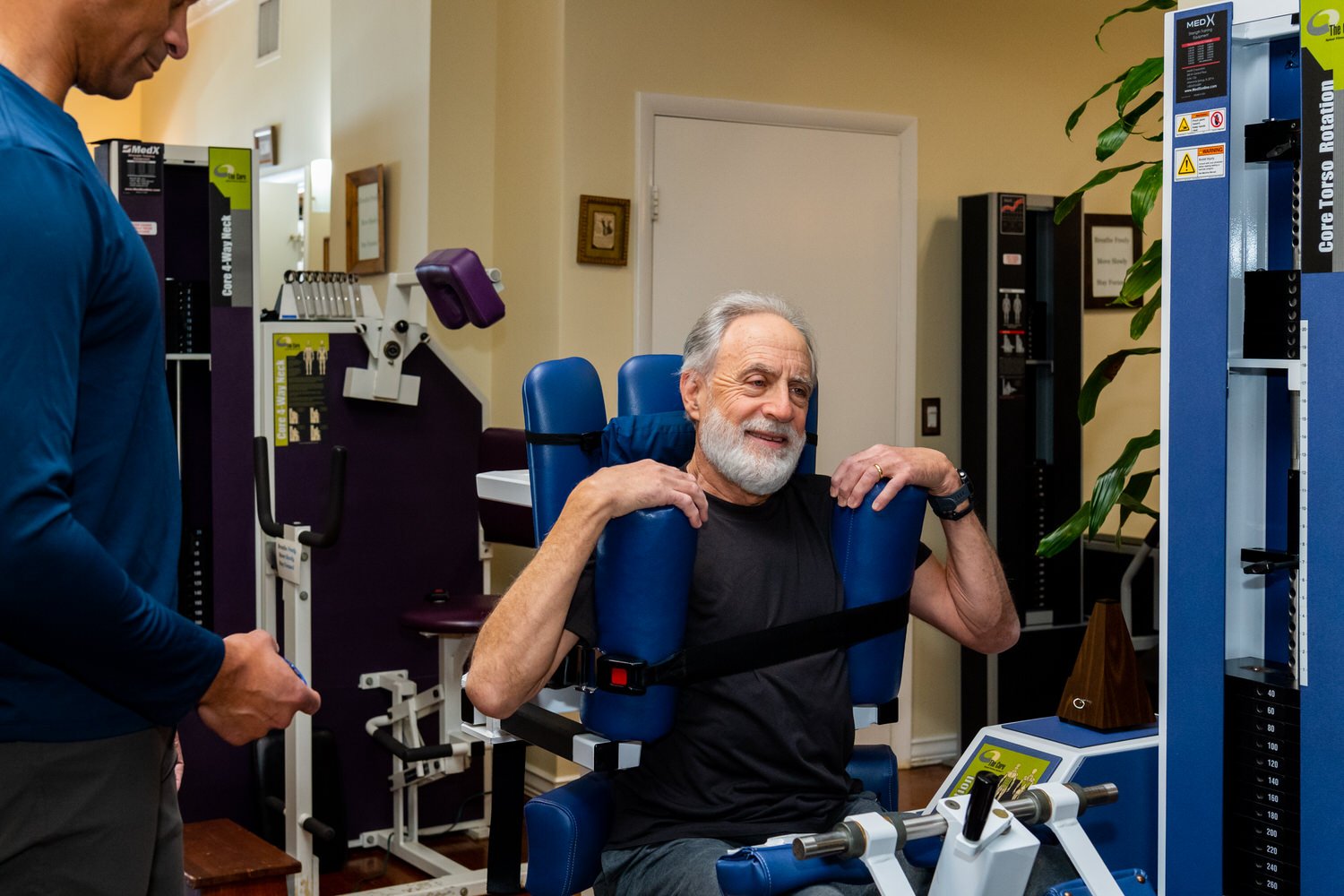
Time efficiency has become a major driver of consumer fitness decisions. Many clients no longer want to spend hours in the gym navigating crowded equipment or high-volume classes. Programs designed around short, focused training sessions are gaining popularity among busy professionals and older adults seeking safer, more controlled workouts. SlowBurn Personal Training Studios are built around this principle. The SlowBurn method emphasizes slow motion, high-intensity strength training performed safely in front of an instructor, often in two sessions a week, lasting 30 minutes. Because the training is highly individualized, clients can achieve meaningful results without long workouts or injury-prone routines.
Safety as a Business Advantage
One reason some entrepreneurs prefer personalized training concepts is the role safety plays in long-term client retention. High-intensity group training programs, such as CrossFit, can produce fast results and strong community engagement, but the intensity of these workouts has also raised questions about injury risk.
Research analyzing CrossFit training participants found musculoskeletal injury prevalence around 30.3%, with injuries most commonly affecting the spine (26.8%), shoulders (25.9%), and knees (15.8%). Other studies report that approximately 28% of monitored CrossFit athletes sustained an injury during training, often associated with complex barbell exercises, box jumps, and pull-ups.
While injury rates vary depending on coaching quality and supervision, these findings highlight a key challenge with many high-intensity group programs: exercises are often performed at speed and in competitive class environments. When injuries occur, clients frequently pause or stop training entirely — which directly impacts gym membership retention and revenue stability for owners.
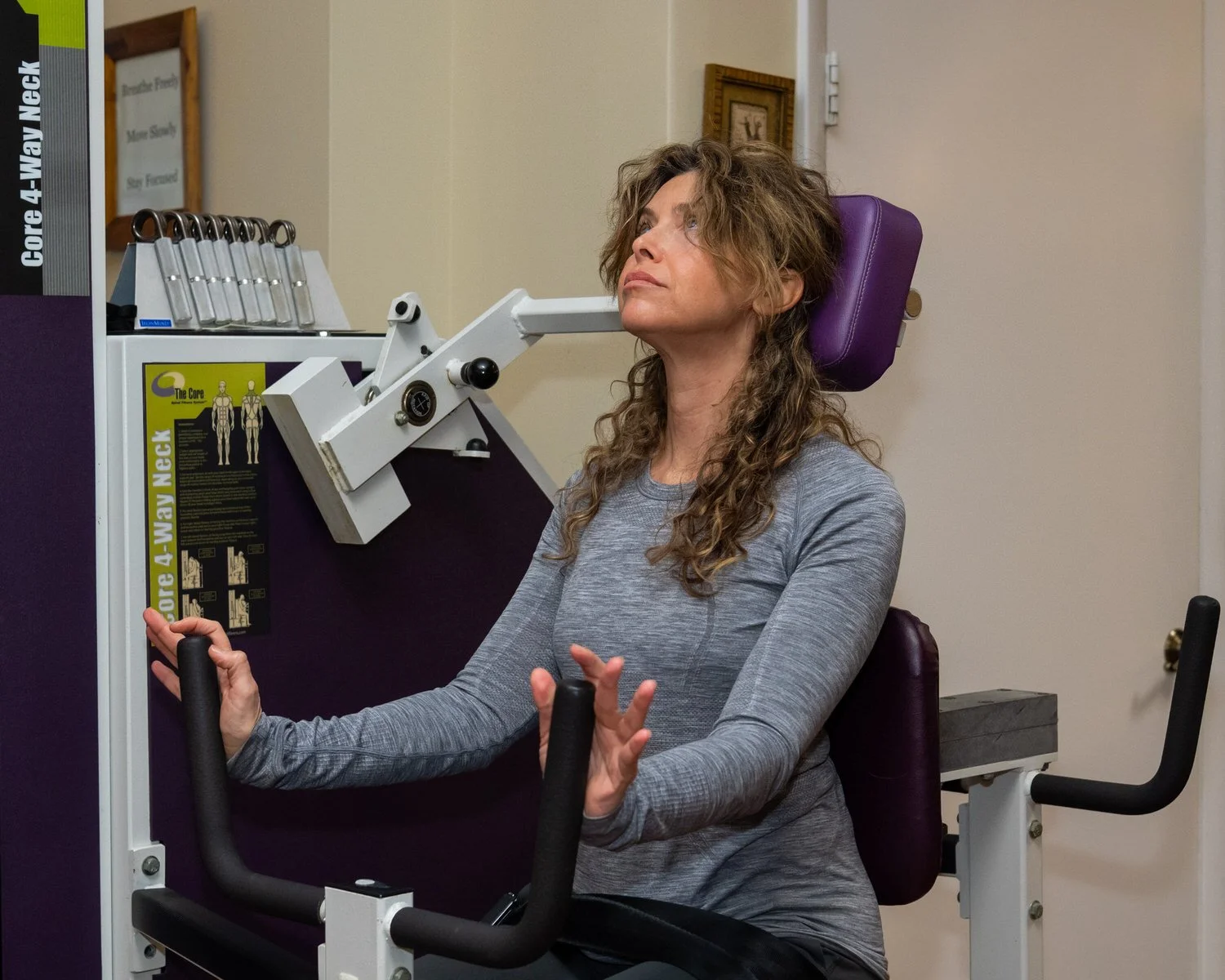
In contrast, one-on-one personal training studios focus on controlled movement, individualized programming, and supervision during every exercise. This structure can significantly reduce injury risk and improve consistency in client participation, a factor that contributes to more stable long-term revenue for studio owners.
SlowBurn Personal Training Studios are designed around this philosophy. The SlowBurn method focuses on slow, controlled strength training that reduces joint stress, while maximizing muscle engagement. When founder Fredrick Hahn developed SlowBurn, he did so with the intent to minimize injury risk.
Comparing Franchise Investment Logic
Entrepreneurs evaluating fitness franchise opportunities should consider several factors beyond brand recognition:
Facility size and lease costs
Equipment investment
Staffing requirements
Client acquisition costs
Revenue per client
Traditional gyms require scale to generate profit. Boutique class studios rely on constant attendance. Personal training studios focus on delivering high-value sessions to a smaller number of clients. Each model can work, but the operational complexity and financial risk differ significantly.
Why Many Investors Are Exploring Personal Training Franchises
As the fitness industry evolves, investors are increasingly drawn to models that combine lower overhead with premium services. Personalized training studios align with broader wellness trends emphasizing individualized coaching, measurable progress, and efficient workouts. For entrepreneurs interested in fitness franchising, this structure can provide a compelling balance between operational simplicity and revenue potential. Rather than chasing high membership numbers, owners can focus on delivering consistent client results and building a loyal community.
The Bottom Line
Fitness franchising remains a strong opportunity, but the type of concept matters. Large gyms and high-volume boutique studios face increasing competition and operational complexity. Personal training studio franchises, such as SlowBurn Personal Training, offer an alternative approach, one that prioritizes individualized instruction, time-efficient workouts, and safer training methods. For franchise owners, these factors can translate into a more predictable and sustainable business model compared with traditional gym operations.